
E-Bikes: What Riders Should Know About Safety & Insurance Coverage
May 7, 2026
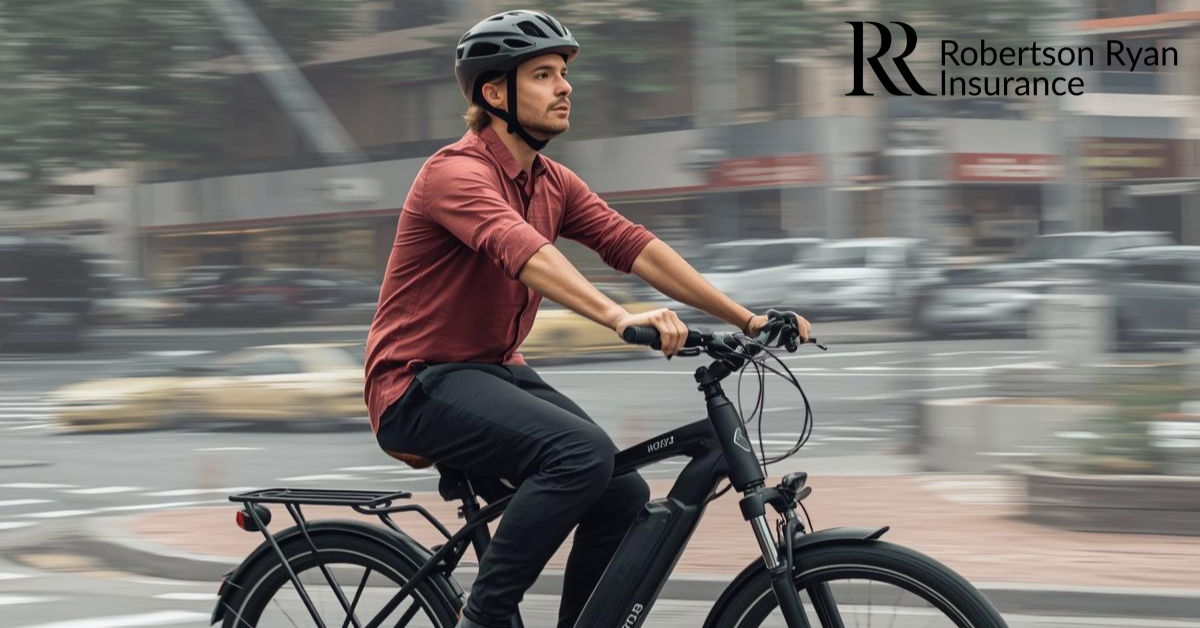
E-bikes have exploded in popularity, and it’s easy to see why. They make commuting easier, help riders tackle hills with less effort, and provide a fun, efficient way to get around town.
But as more people purchase and ride e-bikes, questions around safety and insurance coverage are becoming increasingly important.
If you already own an e-bike or are considering buying one, it’s worth understanding how these bikes differ from traditional bicycles, and how your insurance may respond if there’s an accident, theft, or liability claim.
Why E-Bikes Are Different
At first glance, e-bikes may look like standard bicycles, but many function more like low-speed motorized vehicles.
Some models can:
- Reach speeds of 20–28 mph or more
- Weigh 50 pounds or heavier
- Include throttle systems or aftermarket modifications that increase speed
With higher speeds and increased weight come added risks, including:
- Longer stopping distances
- Greater impact during collisions
- Increased injury severity
- Higher liability exposure if another person is injured
Research has shown that e-bike accidents often result in more serious injuries than traditional bicycle crashes, especially head injuries and internal trauma.
The Safety & Regulation Challenge
One of the biggest issues with e-bikes is that laws and regulations are still evolving.
Depending on where you live, rules may vary regarding:
- Where e-bikes can be ridden
- Helmet requirements
- Speed restrictions
- Throttle usage
- Bike classifications
An e-bike that’s legal in one state or municipality may face restrictions somewhere else. These differences can also affect how insurance coverage applies.
Does Homeowners Insurance Cover an E-Bike?
This is where many riders are surprised.
Property Coverage
In some cases, a homeowners policy may provide limited coverage for an e-bike as personal property. However, coverage depends heavily on how the policy defines a “motorized vehicle.”
Coverage can vary based on:
- The bike’s speed and motor capabilities
- Whether it’s pedal-assist or throttle-powered
- Policy exclusions and sub-limits
Some policies may:
- Cover lower-speed pedal-assist e-bikes
- Limit payouts to a specific dollar amount
- Exclude certain models entirely
That means a high-end e-bike may not be fully protected against theft or damage under a standard homeowners policy.
Liability Coverage: The Bigger Concern
Property damage is one thing, liability is where the larger financial risk exists.
If you’re involved in an accident and another person is injured, coverage may become more complicated.
Many homeowners policies exclude liability related to motorized vehicles. Whether an e-bike falls into that category depends on:
- The policy language
- The bike’s classification
- Speed capabilities
- Any modifications made to the bike
In some situations, a higher-speed or modified e-bike could fall outside standard liability coverage entirely.
What About Umbrella Coverage?
Umbrella policies generally follow the same definitions and exclusions as the underlying homeowners policy.
So if your homeowners policy excludes liability for your e-bike, your umbrella policy may not provide protection either, potentially leaving a significant coverage gap.
Specialty E-Bike Insurance
Because of these gray areas, specialty e-bike insurance has become more common.
These policies may provide:
- Theft and physical damage coverage
- Liability protection
- Medical payments
- Coverage for accessories and equipment
For riders with expensive, high-performance, or frequently used e-bikes, specialty coverage may provide more reliable protection.
What Riders Should Do
If you own an e-bike, here are a few smart steps to take:
- Know Your Bike: Understand your bike’s class, speed capabilities, and whether it has been modified.
- Review Your Insurance: Don’t assume your homeowners policy automatically covers everything.
- Pay Attention to Liability: Liability claims can become expensive quickly if another person is injured.
- Ask Questions: Coverage varies significantly between insurance carriers and policies.
A Quick Safety Reminder
Insurance matters, but safe riding habits matter too.
- Wear a helmet
- Be mindful of speed
- Stay alert in shared-use areas
- Understand local e-bike laws
- Practice safe braking and handling
Safer riding helps reduce both injury risk and the chance of a liability claim.
Final Thoughts
E-bikes offer convenience, flexibility, and a great riding experience, but they also introduce insurance questions that many people don’t realize until after a claim occurs. Because e-bikes fall somewhere between traditional bicycles and motorized vehicles, it’s important to review your coverage and make sure it aligns with how you actually use your bike. If you have questions about how your policy may respond, or whether additional coverage makes sense, we are here to help guide you through it.
*Please note that we rely on independent sources and recommend conducting further research or seeking guidance from a qualified industry professional, legal counsel, or licensed insurance agent as appropriate for your needs. These blog posts are intended for general informational purposes only.