
Winter Weather Preparation for Condo Associations and Unit Owners
October 27, 2026
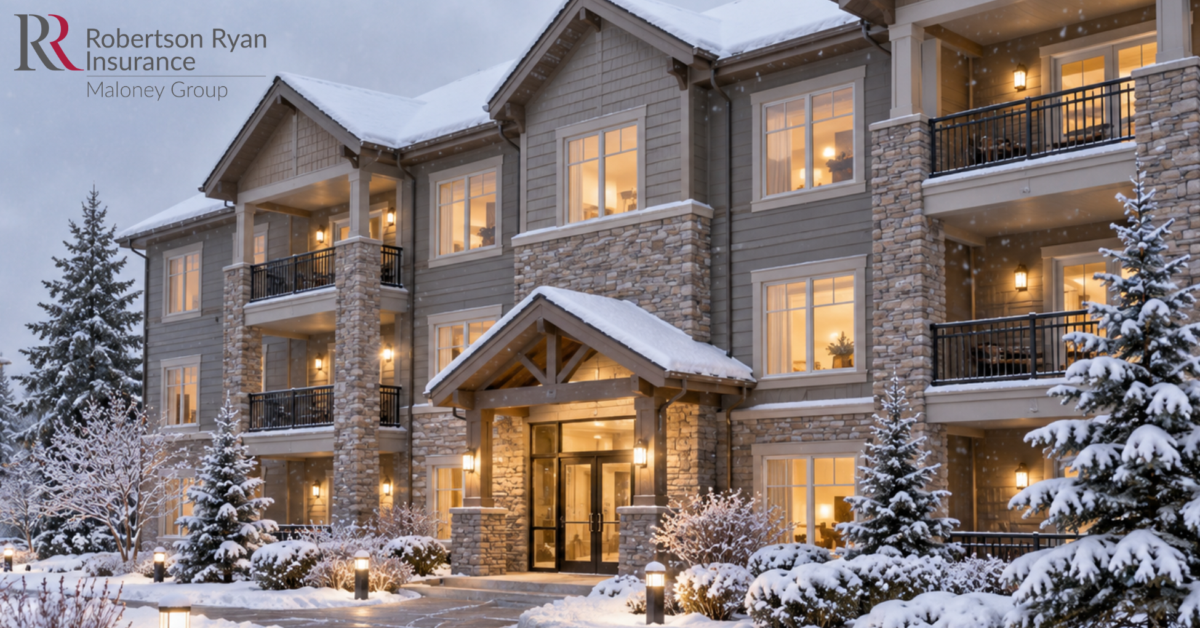
Winter storms can create shared risks throughout a condominium community, from frozen pipes and ice dams to roof strain and slippery common areas. Preparation works best when the association, property manager and unit owners understand their responsibilities and act before severe weather arrives.
Because responsibilities differ by community, the association’s declaration, bylaws, maintenance agreements and insurance policies should guide the plan. Reviewing those documents before winter can help prevent confusion when a storm or water loss occurs.
Winter Weather Best Practices for Condo Associations
- Create a written winter response plan. Identify who monitors forecasts, contacts vendors, inspects the property, communicates with residents and responds after hours. Include current contact information, utility shutoff locations and procedures for entering units during an emergency.
- Confirm snow and ice removal arrangements. Review vendor contracts before the season begins, including service triggers, priority areas and documentation expectations. Entrances, sidewalks, stairs, ramps, parking areas and access routes should be addressed promptly and consistently.
- Use de-icing materials appropriately. Select a product suited to the temperature and walking surface, follow the manufacturer’s directions and apply it in thin, even layers. Remove snow first, then reapply material as conditions change. Clear excess material when it is no longer needed so it does not create another slipping hazard or damage surfaces.
- Inspect roofs and drainage systems. Before the first snow, arrange for qualified professionals to inspect roofs, gutters, scuppers and downspouts. After major storms, watch for drifting snow, blocked drainage, unusual roof movement, leaks and ice dams. Roof work and heavy snow removal should be handled by trained contractors.
- Protect pipes and mechanical systems. Service boilers and heating equipment, insulate vulnerable piping and maintain heat in common areas. Temperature and water-leak sensors may provide early warning in mechanical rooms, utility spaces and other areas where a leak could spread quickly.
- Inspect exterior conditions. Check handrails, lighting, pavement, stairs and retaining areas. Trim weakened or overhanging branches that could fall under snow or ice, and keep hydrants, fire department connections and emergency exits accessible.
- Keep records. Document inspections, weather conditions, vendor activity, resident notices and corrective work. Consistent records can support maintenance decisions and help the association respond if an incident occurs.
Winter Weather Best Practices for Unit Owners
- Keep the unit heated. Do not turn off the heat during cold weather. Follow any minimum temperature required by the association or your insurance policy; many winter-preparation guidelines recommend maintaining at least 55 degrees Fahrenheit. Units with pipes along exterior walls may require additional precautions.
- Reduce the chance of frozen pipes. Disconnect outdoor hoses, close or protect exterior faucets and know where the unit’s main water shutoff is located. During severe cold, open cabinet doors near plumbing when safe to do so, and follow guidance from building management or a licensed plumber.
- Prepare before traveling. Notify the property manager or board, provide current emergency contact information and arrange for a trusted person to check the unit regularly. If the association permits it and a plumbing professional recommends it, consider shutting off the water supply. Do not shut down systems that serve other units or common areas.
- Use monitoring devices. Test smoke and carbon monoxide alarms, check sump pumps and battery backups, and consider temperature or water-leak alerts. Smart devices are most helpful when someone is prepared to respond to the alert.
- Check patios and balconies. Secure outdoor furniture and decorations, keep drains clear and follow association rules for snow removal. Avoid chipping ice or using open flames, boiling water or products that could damage building materials.
- Report warning signs quickly. Notify management about leaks, reduced water flow, unusual odors, bulging walls or ceilings, persistent icicles and other changes that could indicate frozen pipes, an ice dam or water intrusion.
Review Insurance Responsibilities Before Winter
A condominium association’s master policy and a unit owner’s condo insurance policy typically protect different property and interests. The dividing line can depend on the governing documents and policy wording. Deductibles, loss assessment provisions, water backup coverage, building-item responsibility, personal property coverage and temporary living expenses can also vary.
Association boards and unit owners should review their coverage with their insurance advisor before winter and after major building or ownership changes. Ask how water damage, frozen pipes, ice dams, falling trees, roof damage and association deductibles may be addressed under the specific policies in place. Coverage is subject to policy terms, conditions, limits, exclusions and deductibles.
Download the Winter Weather Checklist
Use our Winter Weather Checklist for Condo Associations and Unit Owners to review practical steps before winter, after storms and when a unit will be unoccupied. [Download the checklist]
Our Robertson Ryan Insurance team can help condominium associations and unit owners understand how their policies work together and identify questions to address before winter weather arrives.
This article is for general informational purposes and is not legal, maintenance or coverage advice. Consult your governing documents, insurance policies and qualified professionals for guidance specific to your property.