
Commercial Auto Insurance Trends: Why Coverage Is Getting Harder for Fleets and Contractors
March 9, 2026
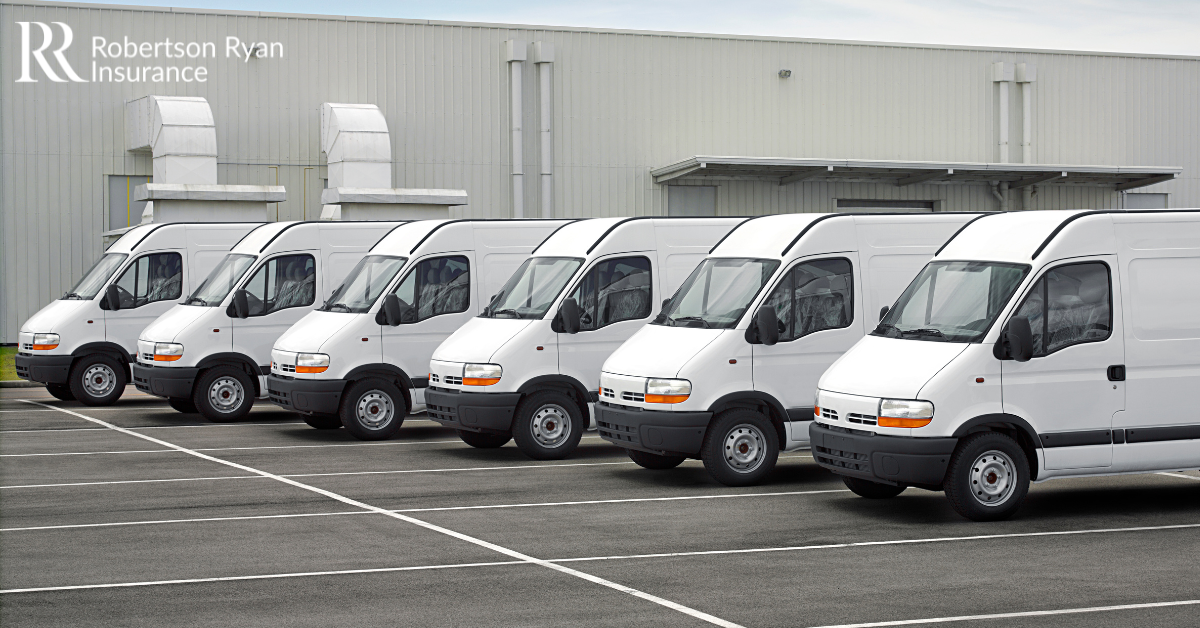
For many businesses, vehicles are essential to daily operations. Contractors, delivery companies, service providers, and fleets rely on them to get work done. Unfortunately, commercial auto insurance has become one of the most challenging areas of the insurance market in recent years.
Understanding what is driving these changes can help businesses better manage their risks and prepare for future insurance costs.
A Market That Has Struggled for Over a Decade
Commercial auto insurance has faced ongoing underwriting challenges for more than ten years. Carriers have experienced consistent losses, leading to rising premiums and tighter underwriting standards. Increased claim frequency and rising claim severity are among the primary reasons for these market conditions.
The good news is that industry experts believe pricing may begin to stabilize. While the market remains difficult, some insurers are beginning to cautiously expand their appetite for well-managed accounts, which could lead to more moderate premium changes in the future.
The Rise of Large Liability Claims
One of the biggest drivers of commercial auto insurance costs is the growing size of liability lawsuits.
In today’s legal environment, businesses involved in vehicle accidents are often facing significantly larger claims and jury awards than in the past. Litigation trends and third party litigation funding have made lawsuits more common and more complex.
Recent data highlights how significant this issue has become:
- Trucking companies faced $165 million in nuclear verdicts in 2023
- A record 49 “thermonuclear verdicts” exceeding $100 million occurred in 2024
- Excess litigation value from motor vehicle cases has totaled approximately $42.8 billion over the past decade
Large commercial vehicle accidents often involve severe injuries and substantial property damage, making them particularly costly for insurers and businesses alike.
Driver Shortages Are Increasing Risk
Another challenge impacting commercial auto insurance is the ongoing shortage of qualified drivers.
The American Trucking Associations estimated that the industry was short more than 80,000 drivers in 2024, up significantly from the prior year.
To fill the gap, some companies have considered hiring younger or less experienced drivers. While this may help address staffing shortages, it can also increase accident risk, which ultimately contributes to higher insurance costs and claims.
For businesses operating vehicle fleets, driver training and hiring standards are becoming increasingly important components of risk management.
Technology Is Helping Improve Fleet Safety
While the commercial auto market remains challenging, technology is helping businesses improve safety and reduce risk.
Many companies are now implementing telematics and fleet monitoring tools such as:
- GPS tracking systems
- In vehicle cameras
- Driver monitoring applications
These technologies allow businesses to monitor driving behavior, identify risky habits, and improve driver training programs. They can also provide valuable evidence if an accident occurs, helping defend against liability claims.
Insurers are increasingly viewing telematics and fleet safety programs as positive risk management practices that can help businesses qualify for better underwriting consideration.
What Businesses Should Consider?
- Maintaining strong driver hiring and training standards
- Reviewing fleet safety programs and telematics options
- Evaluating liability limits and umbrella coverage
- Partnering with an experienced insurance advisor like Robertson Ryan Insurance who understands the evolving market
Commercial auto insurance may remain a complex and challenging line of coverage for the foreseeable future, but businesses that actively manage their risks are often in the best position when renewal time arrives.