
Flood Risks Are Changing: Is Your Business Prepared?
September 30, 2026
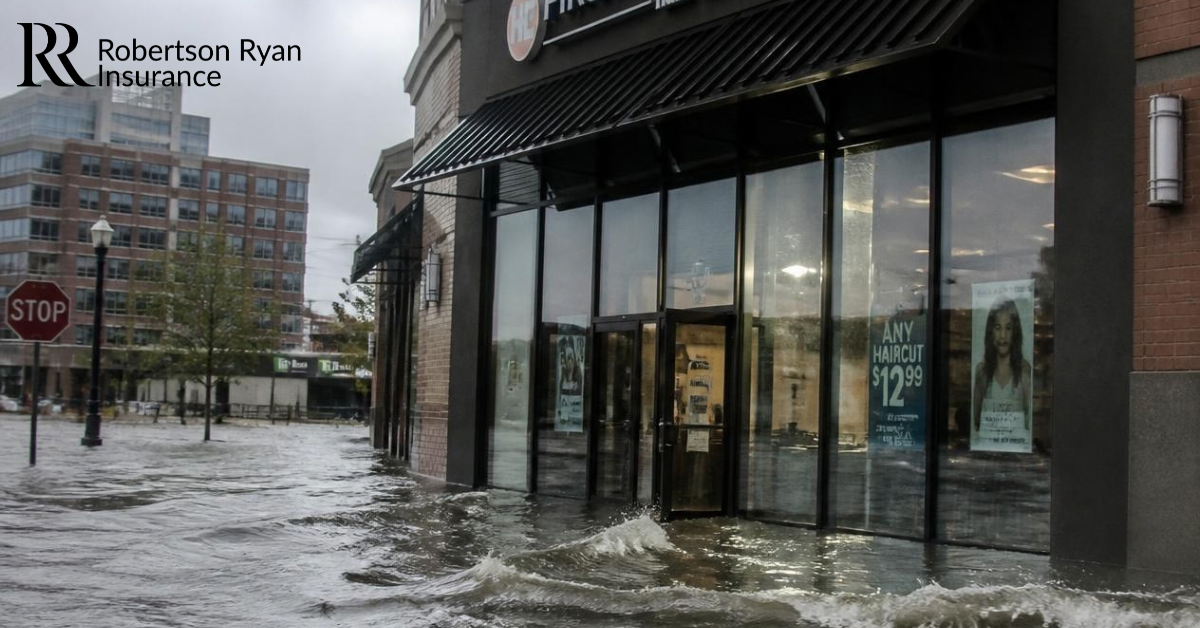
Flooding, like any other weather phenom, is a risk business owners should consider. Especially as weather patterns become increasingly unpredictable, preparation feels more important than ever.
Weather forecasting as it is relevant to 2026, has the world experiencing El Niño patterns. Which have strengthened considerably, with September forecasts from NWS Climate Prediction Center indicating the fall and winter of 2026–27 could become noteworthy. While El Niño globally affects different regions in different ways, it is important to know weather conditions like El Niño can contribute to significant shifts in rainfall patterns and increase the potential for heavy precipitation and flooding in some unlikely areas.
For business owners, the takeaway isn’t to predict exactly where the next flood will happen. It’s to prepare for the possibility before the potential for severe weather arrives.
Flood Risk Doesn’t Stop at the Flood Zone
One common misconception is that significant flood risk exists only within officially designated high-risk flood areas. While flood maps are useful planning tools, they shouldn’t necessarily be the only factor a business considers when evaluating its exposure. Changing development, drainage systems, severe rainfall, and evolving weather patterns can all affect how water moves through a community.
Heavy rainfall can overwhelm stormwater systems, flood roads and parking lots, interrupt utilities, and prevent employees, customers, or suppliers from reaching a business. A major reason why flood preparedness (along with any other weather disasters) should be considered as part of a broader business continuity strategy.
Start With Your People
Property can be repaired. Employee safety should come first.
Every business should invest time in a plan for what employees are expected to do when severe weather or flooding threatens operations.
Consider:
- Who has authority to close or evacuate the business?
- How will employees receive emergency instructions?
- Where should employees meet if an evacuation is necessary?
- Who is responsible for contacting emergency services, utilities, vendors, and insurance representatives?
- Do employees know where and how to safely shut off electricity, gas, or water if necessary?
- Can employees work remotely if the building or avenues to enter the building becomes temporarily inaccessible?
Document the plan, make it accessible and review it regularly with employees.
Protect the Property Before Water Arrives
There are also practical steps businesses can take to reduce potential property damage.
Inspect roofs, gutters, drains and downspouts, and address existing leaks or drainage issues. Consider whether important equipment, inventory, records, or electronics can be relocated above areas susceptible to water intrusion.
Depending on the property and its exposures, additional measures could include flood barriers, pumps, backflow prevention devices, and relocating electrical components or critical equipment.
Businesses should also identify where important shutoffs, emergency supplies, and protective materials are located. Taking photographs or video of the property and maintaining current equipment and inventory records may also make post-loss documentation easier.
The goal isn’t to make a building “flood-proof.” It is to identify vulnerabilities ahead of time and determine what can reasonably be done to reduce potential damage and disruption.
Don’t Forget the Business Beyond the Building
A flood doesn’t necessarily need to enter your property to disrupt your operations.
Consider what would happen if:
- Employees can’t reach the workplace.
- Roads surrounding the property are closed.
- Electricity, water, gas, and internet service are interrupted.
- A major supplier temporarily shuts down.
- Inventory can’t be delivered.
- Customers are unable to access your location.
- Your building is inaccessible for days or weeks.
Identifying alternative suppliers, remote-work capabilities, backup communications, and other contingency arrangements before an emergency can help a business respond more quickly afterward.
Where Does Insurance Fit In?
This is also a good time to talk with your Robertson Ryan Insurance advisor about how your current policies respond to water-related losses, rather than assuming a particular type of water damage or resulting interruption will be covered.
Flood is generally not covered by standard commercial property insurance, while separate flood coverage may be available through the National Flood Insurance Program (NFIP) or the private insurance market, it is important you explore what your options are for your location and needs.
Depending on the business, additional coverage considerations may include business income, utility service interruption, and contingent business interruption exposures. As with all insurance coverages, availability varies significantly by policy, carrier, cause of loss, endorsements, limits, exclusions, and individual circumstances.
Timing matters, too. NFIP policies generally have a 30-day waiting period before coverage takes effect, subject to certain exceptions. Private flood insurance terms and waiting periods can differ. In other words, the best time to ask questions about flood coverage is before the forecast calls for heavy rain.
Flood Insurance Is Also Changing
The flood insurance market itself continues to evolve.
Federal policymakers and insurance industry stakeholders continue to debate the future role of the NFIP, private flood insurers, flood mapping, pricing, and disaster assistance. At the same time, advances in modeling, satellite data, and property-level analytics are giving insurers additional tools for evaluating flood exposure.
For business owners, those broader policy debates reinforce a practical point: don’t rely solely on whether your property sits inside or outside a traditional flood zone when deciding whether flood exposure deserves attention.
Ask what information is available for your individual property and what coverage options may be available.
Build the Plan Before You Need It
Flood preparedness isn’t one project that gets checked off a list, never to be revisited. Review your emergency contacts. Train employees. Inspect the property. Identify critical suppliers. Back up important information. Know how operations could continue if your building becomes inaccessible.
Just as important, periodically review your insurance program as your property, equipment, inventory, and operations change. Weather will always involve uncertainty. Preparation gives businesses something they can control.
Concerned About Your Business’s Flood Exposure?
Talk with your Robertson Ryan Insurance team about your property, operations, and existing insurance program. Your team can help you review your current coverage and discuss available options based on your individual risks and needs.
*Please note that we rely on independent sources and recommend conducting further research or seeking guidance from a qualified industry professional, legal counsel, or licensed insurance agent as appropriate for your needs. These blog posts are intended for general informational purposes only.