
Wildfires Are Changing. So Is the Way We Protect Our Homes and Businesses
August 12, 2026
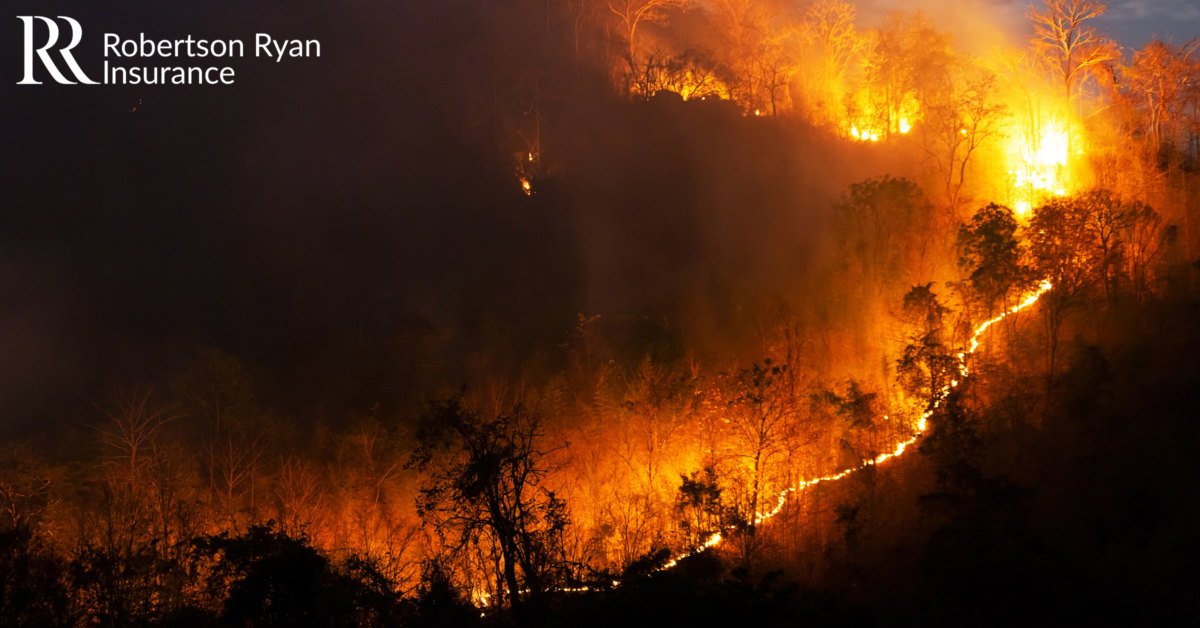
For many Americans, this summer’s wildfire season has felt closer to home than ever before. While massive wildfires continue to burn across parts of Canada, the effects have stretched far beyond the fire lines. Smoke has drifted hundreds of miles, creating hazy skies and poor air quality in cities like Detroit, Milwaukee, Chicago, and even New York City. It’s a powerful reminder that wildfires are not only a concern for communities tucked into the mountains, through arid deserts, or along the West Coast These fires are becoming a widespread and regular reality that can affect people and businesses across North America.
While humans can’t prevent every wildfire, researchers and fire experts are discovering that relatively small changes can dramatically improve a property’s ability to withstand one. Combined with the right insurance protection, these innovations are helping homeowners and business owners become more resilient.
A New Approach: From Fighting Fires to Building Resilience
For years, many people assumed that when a wildfire reached a neighborhood, there was little anyone could do. Today’s research and innovation are seeking to change that story.
Scientists studying wildfire behavior have found that homes and businesses often don’t ignite because they’re directly engulfed in flames. Instead, many structures are damaged by wind-driven embers. These tiny burning pieces of vegetation can travel miles ahead of an active wildfire. Embers can collect in gutters, enter attic vents, ignite mulch or landscaping, or find other vulnerable areas around a building.
This shift in understanding has led to new building techniques and landscaping practices designed to reduce a property’s vulnerability before a wildfire ever arrives. Check out this short video, which briefly covers how research is influencing building materials in fire spreading prevention.
Small Improvements Can Make a Big Difference
Protecting your property doesn’t require complete home or property renovation. Many improvements can be incorporated over time through regular maintenance or future home improvement projects.
Fire-resistant features may include:
- Class A fire-rated roofing materials
- Ember-resistant attic and crawlspace vents
- Enclosed eaves to reduce ember intrusion
- Tempered glass windows
- Noncombustible siding or exterior materials
- Metal gutters kept free of leaves and debris
Just as important to your home prevention practices, is to tend to the areas around your property, by maintaining a defensible space, or buffer that reduces combustible materials and slows the spread of fire outside your home or business.
Simple landscaping practices can help, including:
- Removing dead trees, brush, and leaves
- Keeping grass trimmed
- Pruning tree branches away from roofs
- Storing firewood and propane tanks away from buildings
- Using gravel, stone, or other noncombustible materials near foundations
- Cleaning roofs and gutters regularly
Many of these same practices also improve overall property maintenance and may help reduce other seasonal hazards.
Businesses Face Wildfire Risks, Too
Wildfire preparedness isn’t just for homeowners. Businesses can experience property damage, smoke contamination, temporary closures, supply chain disruptions and interrupted operations. Regardless of flames ever reaching their front door.
Commercial properties can benefit from many of the same preventative measures:
- Maintain defensible landscaping around buildings.
- Keep loading docks and storage areas clear of combustible materials.
- Inspect roofs, gutters, and HVAC systems regularly.
- Secure outdoor equipment and inventory whenever possible.
- Develop and review emergency response and business continuity plans.
Preparation helps protect not only buildings and equipment, but also employees, customers, and business operations.
Don’t Overlook Smoke Damage
One of this year’s biggest reminders is that wildfire impacts aren’t limited to fire itself. Wildfire smoke can travel incredible distances, affecting communities hundreds of miles away from an active wildfire.
Even when flames never threaten a property, smoke can leave behind residue, odors and contamination that may impact:
- Furniture and personal belongings
- Electronics
- HVAC systems
- Inventory
- Machinery and equipment
- Office interiors
For businesses, prolonged smoke events may also contribute to temporary closures, cleaning expenses or operational disruptions.
Insurance Remains an Important Part of Your Preparedness Plan
While prevention can significantly reduce risk, no property can eliminate it entirely. That’s why it’s important to review your insurance coverage before wildfire season where you live.
For homeowners, your policy should accurately reflect the cost to rebuild your home and replace personal belongings if they’re damaged by a covered loss. Depending on where you live, additional endorsements or specialized coverage options may also be worth discussing with your Robertson Ryan Insurance advisor.
Business owners should periodically review:
- Commercial property coverage
- Business interruption coverage
- Extra expense coverage
- Equipment and inventory values
- Building replacement costs
As construction costs continue to change, keeping your policy limits up to date can help ensure your coverage aligns with whatever your current needs entail.
A Few Minutes Today Can Make a Lasting Difference Tomorrow
Wildfires are becoming an increasingly important part of the conversation across North America. While no one can control the weather, homeowners and business owners have more tools than ever to reduce their risk.
Simple maintenance, thoughtful landscaping, fire-resistant building materials, and regular insurance reviews all play an important role in protecting what matters most.
Whether you own a home, operate a business or both, taking a proactive approach today can help improve your resilience tomorrow, while providing greater peace of mind throughout wildfire season.
*Please note that we rely on independent sources and recommend conducting further research or seeking guidance from a qualified industry professional, legal counsel, or licensed insurance agent as appropriate for your needs. These blog posts are intended for general informational purposes only.