
Beyond Sandbags: Smart Ways to Protect Your Home from Water Damage
July 28, 2026
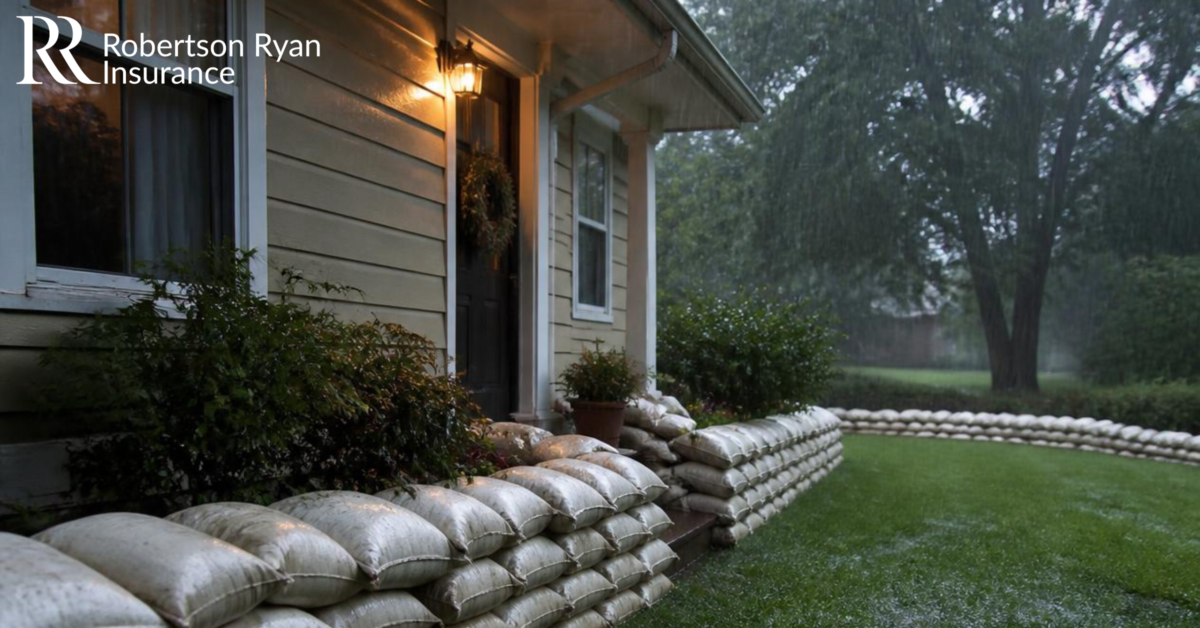
This summer has seen repeated flooding across several regions of the United States, with flash flooding driven by slow-moving thunderstorms, saturated ground, and tropical moisture. The flooding has been concentrated well outside traditional coastal hurricane zones. Much of the damage has come from intense inland rainfall and flash flooding, reinforcing the importance of evaluating flood exposure based on local topography and drainage, not just FEMA flood zones.
A little preparation today can help reduce your home’s vulnerability before the next storm arrives. From maintaining your sump pump to installing smart water detection technology, there are several practical steps homeowners can take to better protect their property.
Understand the Difference Between Flood Damage and Water Damage
Many homeowners use the terms “flood damage” and “water damage” interchangeably, but they aren’t always the same. We wrote about it here, check it out for more details: Flood Damage vs. Water Damage.
Flood damage occurs when water enters your home from outside, such as rising rivers, overflowing creeks, storm surge, or heavy surface runoff. Water damage often refers to water originating inside the home, like a burst pipe, overflowing washing machine, or plumbing leak.
Understanding the difference is important because insurance policies may define and address these types of losses differently. If you’re unsure how your policy responds to various water-related events, your Robertson Ryan Insurance advisor can help explain your coverage and discuss available options before severe weather strikes.
Don’t Overlook Your Sump Pump
If your home has a basement, your sump pump is one of its hardest-working defenses against excess groundwater. When functioning properly, a sump pump helps remove water that collects beneath your home’s foundation before it has a chance to enter your basement. Like any mechanical equipment, however, it requires routine maintenance to perform when you need it most.
Before rainy weather arrives, consider:
- Testing your sump pump to make sure it turns on properly.
- Cleaning debris from the sump pit.
- Checking that the discharge pipe is free of obstructions and directs water away from your home’s foundation.
- Considering a battery backup system in case power is lost during a storm.
- Replacing an aging pump before it fails unexpectedly.
A few minutes of maintenance at the start of every season can help provide peace of mind during the next heavy rainfall. For more information about sump pumps, read Get To Know Your Sump Pump provide by one of our carriers and/or our own blog post: Sump Pumps: Prepare Your Home Now for the Rain Ahead!
Consider Smart Water Detection Technology
Evolving technology can help homeowners detect water problems long before they become major repairs.
Smart water leak detectors can monitor areas where leaks commonly occur, such as near water heaters, washing machines, sinks, or sump pumps. If moisture is detected, many systems send an alert directly to your smartphone so you can respond quickly. Even when you are away from home.
Some systems go a step further by automatically shutting off your home’s water supply when a significant leak is detected, helping minimize potential damage from burst pipes or plumbing failures. A closer look at some of these products can be read about here, Water, Water Everywhere…Benefits of an Automatic Water Shut-Off System.
While no technology can prevent every water-related issue, early detection may help reduce the extent of damage and provide valuable peace of mind.
Prepare the Outside of Your Home
Keeping water away from your home starts outside. Regular home maintenance can improve drainage and help direct rainwater away from your foundation. Before storm season, consider:
- Cleaning leaves and debris from gutters and downspouts.
- Making sure downspouts discharge water several feet away from your home’s foundation.
- Checking that your yard slopes away from the house where possible.
- Clearing nearby storm drains and drainage areas if it is safe to do so.
- Inspecting your foundation for cracks or areas where water may collect.
- Trimming trees and removing dead branches that could fall during severe weather.
These maintenance tasks can help reduce the risk of unwanted water finding its way into your home.
Stay Informed When Severe Weather Is Forecast
Flash flooding can develop quickly, sometimes with little warning.
Pay attention to weather forecasts, enable emergency alerts on your mobile phone, and follow guidance from local emergency management officials. If a Flash Flood Warning is issued for your area, be prepared to act quickly.
Please remember one of the most important flood safety messages:
Never drive through flooded roadways.
Shallow-moving water can be more dangerous than it appears, and road conditions beneath the water may be impossible to see. If you encounter a flooded roadway, turn around and find another route.
Create a Family Emergency Plan
Preparing your home also means preparing your family.
Consider discussing:
- Where family members will meet if separated.
- Emergency contact information.
- Plans for pets.
- Important medications and supplies.
- Safe evacuation routes.
- Keeping important documents in a waterproof container or secure digital storage.
Having a plan before an emergency occurs can make stressful situations easier to manage.
Review Your Insurance Before You Need It
One of the best times to review your insurance isn’t after a storm, it’s well before one arrives.
Every home is different, and insurance policies vary based on individual circumstances and coverage selections. Taking time to review your policy with your insurance team allows you to ask questions, understand your options, and make informed decisions before severe weather becomes a concern.
While no one can control the weather, homeowners can take practical steps to help protect their homes from water-related risks. Routine maintenance, smart home technology, emergency planning, and understanding your insurance are all part of a proactive approach to protecting what matters most.
As we’ve seen in many communities across the country, severe weather can arrive with little notice. Taking a little time now to prepare may help you reduce potential damage, respond more confidently, and recover more quickly should the unexpected occur.
Quick Flood Readiness Checklist for Your Home
☐ Test your sump pump.
☐ Clean gutters and downspouts.
☐ Check your home’s drainage around the foundation.
☐ Install or test water leak detectors.
☐ Consider an automatic water shut-off system.
☐ Enable weather alerts on your phone.
☐ Review your insurance with your insurance professional.
*Please note that we rely on independent sources and recommend conducting further research or seeking guidance from a qualified industry professional, legal counsel, or licensed insurance agent as appropriate for your needs. These blog posts are intended for general informational purposes only.