
How Larger Trucks and SUVs Affect Your Insurance, Safety, and Repair Costs
August 18, 2026
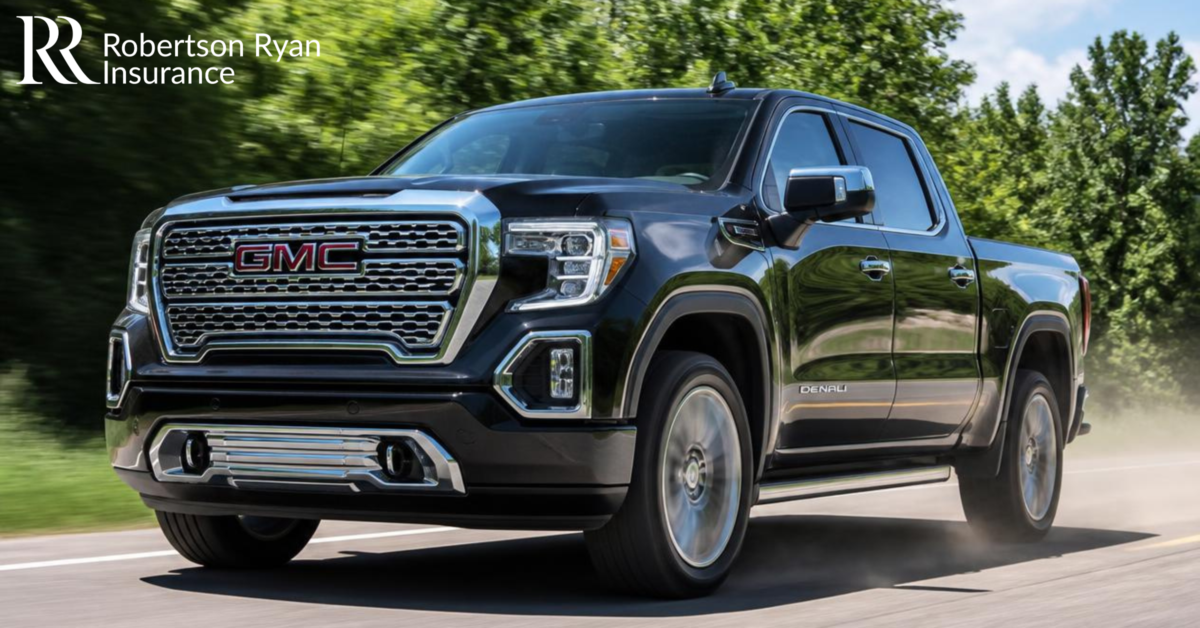
Pickup trucks and SUVs continue to be the vehicle of choice for many American families and businesses. They offer more passenger room, greater cargo capacity, towing capability, and confidence in challenging weather conditions.
But as vehicles continue to grow in size, so do the questions surrounding safety, repair costs, and insurance.
If you’re considering a new truck or SUV, or already own one, understanding how vehicle size affects your insurance coverage, premium, and overall risk can help you make better decisions before an accident happens.
Why Insurance Companies Pay Attention to Larger Vehicles
Insurance companies analyze millions of claims each year to understand what influences the frequency and severity of accidents.
Vehicle size is just one factor, but it’s an important one.
Insurers also evaluate:
- Vehicle value
- Repair costs
- Replacement part costs
- Theft rates
- Crash statistics
- Injury severity
- Safety technology
- Driver behavior
- Claim history
As today’s trucks and SUVs become larger, heavier, and more technologically advanced, insurance companies continue to study how those changes affect claims for everyone involved in a collision.
Why Trucks and SUVs Can Cost More to Insure
Many drivers assume insurance is based primarily on how safe a vehicle is. In reality, your premium reflects many different risks.
Larger trucks and SUVs may cost more to insure because they often have:
- Higher purchase prices
- More expensive replacement parts
- Advanced cameras, radar sensors, and driver-assistance technology that require specialized repairs and calibration
- Heavier components that increase repair costs after an accident
- Higher claim severity when collisions occur
- Increased theft rates for certain makes and models
That doesn’t mean every SUV or truck carries a higher premium. Your driving record, location, annual mileage, deductible, and the specific vehicle you choose all play significant roles.
An independent insurance agent can compare multiple insurance companies because rates and underwriting can vary considerably from one carrier to another.
Bigger Vehicles Can Mean Different Safety Risks
Modern trucks and SUVs have grown significantly over the past 15 years. Their increased weight and higher ride height can provide occupants with added protection in certain crashes.
However, transportation researchers have found these same characteristics can increase the severity of crashes involving:
- Pedestrians
- Cyclists
- Motorcyclists
- Occupants of smaller passenger vehicles
The reason is simple physics. Heavier vehicles generate more momentum during a collision, while taller front ends are more likely to strike a person’s torso or head rather than their legs, increasing the likelihood of serious injury.
Vehicle size may improve protection in some crash scenarios, but it also creates additional responsibilities for drivers.
Visibility Is One of the Biggest Safety Challenges
One often overlooked concern with larger vehicles is visibility.
Many full-size trucks and SUVs have taller hoods that create larger blind zones directly in front of the vehicle. Small children, pets, bicycles, and even adults can be difficult to see when they’re close to the front bumper.
Fortunately, today’s vehicles often include advanced safety technology such as:
- Front and rear cameras
- 360-degree camera systems
- Blind-spot monitoring
- Automatic emergency braking
- Pedestrian detection
- Parking sensors
These features can help reduce accidents, but they should never replace careful, attentive driving.
Bigger Doesn’t Always Mean Safer
Many buyers assume purchasing the largest vehicle available automatically provides the greatest protection.
Modern crash engineering, stronger vehicle structures, airbags, and advanced driver assistance systems often play just as important a role in preventing serious injuries as vehicle size.
When shopping for a vehicle, consider more than just its dimensions. Look for excellent crash-test ratings, proven safety technology, and a vehicle that fits your driving needs and experience.
Modern Repairs Are More Expensive Than Ever
One of the biggest surprises after an accident isn’t always the visible damage.
Many newer trucks and SUVs contain cameras, radar sensors, parking sensors, and other safety technology hidden behind bumpers, windshields, mirrors, and grilles. Even a relatively minor collision may require recalibrating these systems to ensure they function correctly.
As a result, repair costs for modern vehicles have increased significantly over the past several years, making adequate insurance coverage more important than ever.
Is Your Insurance Coverage Still Enough?
Many drivers upgrade from a sedan to a $60,000 or $80,000 SUV or pickup without reviewing their insurance policy.
That can leave important gaps in coverage.
If you’ve recently purchased a newer vehicle, it’s a good time to review whether your policy includes appropriate:
- Liability limits
- Collision coverage
- Comprehensive coverage
- Rental reimbursement
- Roadside assistance
- Uninsured/Underinsured Motorist coverage
- Gap coverage, if your vehicle is financed or leased
- Umbrella liability insurance for additional protection
An annual insurance review can help ensure your coverage keeps pace with your vehicle and your financial situation.
The Value of Working with an Independent Insurance Agency
Not every insurance company evaluates trucks and SUVs the same way.
Premiums, discounts, repair assumptions, and available coverage can vary significantly from one insurer to another. That’s why working with an independent insurance agency can make a meaningful difference.
Rather than offering just one option, an independent agency like Robertson Ryan Insurance can compare many highly rated insurance companies to help you find the right balance of protection, price, and coverage for your specific vehicle and driving needs.
Bigger Vehicles, Bigger Responsibilities: Understanding Today’s Road Safety Trends
Pickup trucks and SUVs continue to dominate American roads, offering extra cargo space, towing capability, and a commanding view of traffic. For many families and businesses, they’re practical and dependable vehicles.
At the same time, transportation researchers, safety organizations, and the insurance industry are paying closer attention to how today’s larger vehicles are affecting overall road safety for those on the inside of their vehicle, and for everyone else sharing the road.
Whether you’re shopping for a new vehicle or simply want to better understand today’s driving risks, here’s more information for you to know.
*Please note that we rely on independent sources and recommend conducting further research or seeking guidance from a qualified industry professional, legal counsel, or licensed insurance agent as appropriate for your needs. These blog posts are intended for general informational purposes only.