
How Can Homeowners Prepare for Winter Weather? A Winter Readiness Checklist for 2026
November 18, 2026
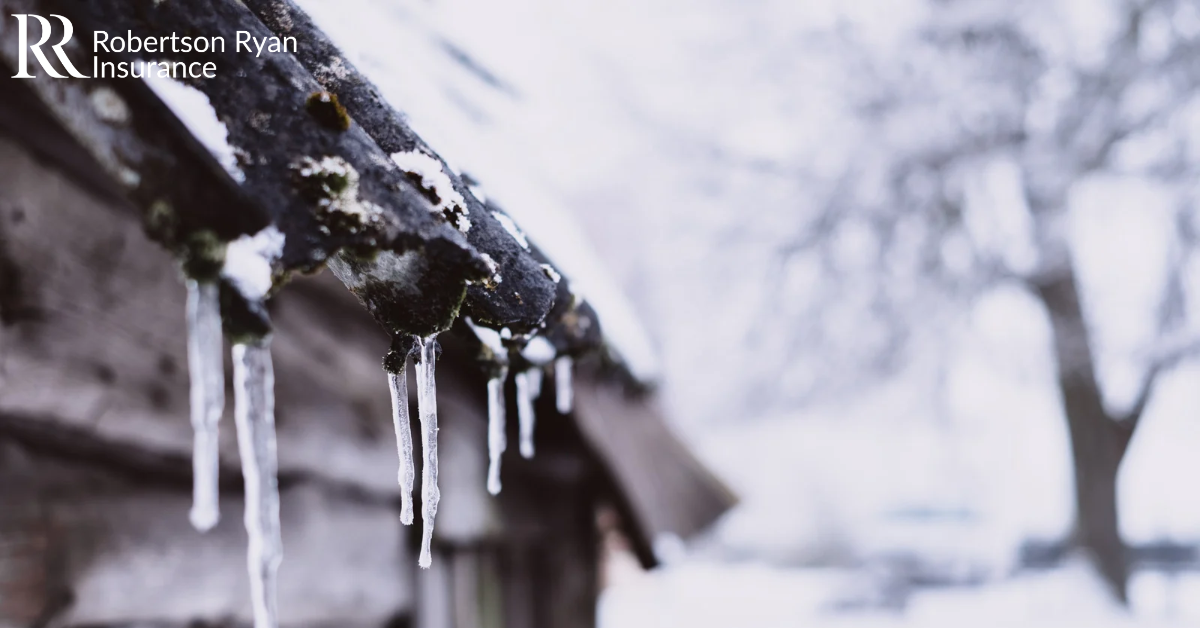
Winter weather can create a wide range of risks for homeowners, from frozen pipes and water damage to roof leaks, ice dams, and power outages. The best way to prepare for winter is to inspect vulnerable areas of your home before temperatures drop, address maintenance issues early, and review your insurance coverage to understand how your policy may respond if a loss occurs.
Taking a proactive approach before the first major cold snap can help reduce the likelihood of unexpected repairs and disruptions during the winter months.
What Winter Weather Risks Cause the Most Home Damage?
While every property is different, several winter-related issues commonly lead to homeowner insurance claims and repair expenses.
These include:
- Frozen and burst pipes
- Ice dams along roof edges
- Water intrusion from snow and ice
- Roof damage caused by excessive snow loads
- Power outages that affect heating systems
- Slip-and-fall incidents on icy walkways
- Water backup losses during winter thaws
Many of these problems begin as small maintenance concerns that worsen when temperatures remain below freezing for extended periods.
How Can You Prevent Frozen Pipes?
Frozen pipes are one of the most common causes of winter water damage because water expands as it freezes, which can cause significant pressure on plumbing systems.
Before winter arrives:
- Insulate exposed pipes in basements, crawl spaces, garages, and attics.
- Disconnect and drain outdoor hoses.
- Shut off exterior water lines when possible.
- Locate your home’s main water shut-off valve and ensure everyone in the household knows where it is.
- Maintain a consistent indoor temperature, even when away from home.
During periods of extreme cold, opening cabinet doors beneath sinks on exterior walls and allowing a small amount of water to flow from vulnerable faucets may help reduce the risk of pipes freezing.
What Are Ice Dams and Why Do They Matter?
An ice dam forms when snow melts on a warmer section of the roof and refreezes near the roof edge. As more melting occurs, water can become trapped behind the ice and may work its way beneath roofing materials.
Ice dams can lead to:
- Interior water damage
- Damaged insulation
- Ceiling stains
- Mold growth
- Structural deterioration over time
Proper attic insulation, adequate ventilation, and routine gutter maintenance can help reduce the likelihood of ice dam formation.
How Should Homeowners Prepare for Winter Storms and Power Outages?
Winter storms can leave homes without power for hours or even days.
Consider taking these steps before severe weather arrives:
- Test backup generators according to manufacturer recommendations.
- Keep flashlights, batteries, and emergency supplies accessible.
- Install fresh batteries in smoke and carbon monoxide detectors.
- Ensure heating systems receive routine maintenance.
- Store emergency contact information where it can be easily accessed without internet access!
For homeowners who travel frequently or maintain seasonal residences, remote temperature monitoring systems and water leak sensors can provide additional protection by notifying you when conditions inside the home change unexpectedly.
Can Smart Home Technology Help Prevent Winter Losses?
Many homeowners are using connected devices to identify problems before significant damage occurs.
Examples include:
- Water leak detection systems
- Automatic water shut-off devices
- Smart thermostats
- Temperature monitoring sensors
- Monitored security systems with environmental alerts
These technologies cannot eliminate every risk, but they may provide earlier warning signs that allow homeowners to address an issue before it becomes a larger loss.
What Should You Do If You’re Leaving Home During the Winter?
Vacant homes can be especially vulnerable during cold weather.
Before traveling:
- Keep your thermostat set at a temperature that helps prevent freezing.
- Arrange for a trusted friend, family member, or neighbor to periodically check the property.
- Confirm that heating systems are operating properly.
- Verify that all monitoring and security systems are functioning.
- Follow any vacancy-related requirements outlined in your insurance policy.
A brief inspection can sometimes identify a heating failure or water issue before substantial damage occurs.
Should You Review Your Homeowners Insurance Before Winter?
Winter is an excellent time to review your homeowners insurance coverage, particularly if you’ve made improvements to your home or experienced significant changes in property values.
Questions worth discussing with your Robertson Ryan Insurance advisor include:
- Does your dwelling coverage reflect current rebuilding costs?
- Do you have water backup coverage if it is available and appropriate for your situation?
- Have recent renovations been reported to your insurance carrier?
- Would additional liability protection through a personal umbrella policy make sense for your household?
Coverage varies based on policy terms, limits, conditions, endorsements, and the circumstances of a loss. Understanding your policy before a claim occurs can help prevent surprises later.
Winter Preparation Starts Before the Forecast Changes
The best time to prepare for winter weather is before freezing temperatures arrive. Addressing maintenance concerns, protecting vulnerable systems, and reviewing your insurance coverage can help reduce the risk of costly damage and provide greater confidence throughout the season.
If you have questions about your homeowners insurance or would like to review your coverage before winter weather arrives, contact your local Robertson Ryan Insurance advisor.
*Please note that we rely on independent sources and recommend conducting further research or seeking guidance from a qualified industry professional, legal counsel, or licensed insurance agent as appropriate for your needs. These blog posts are intended for general informational purposes only.